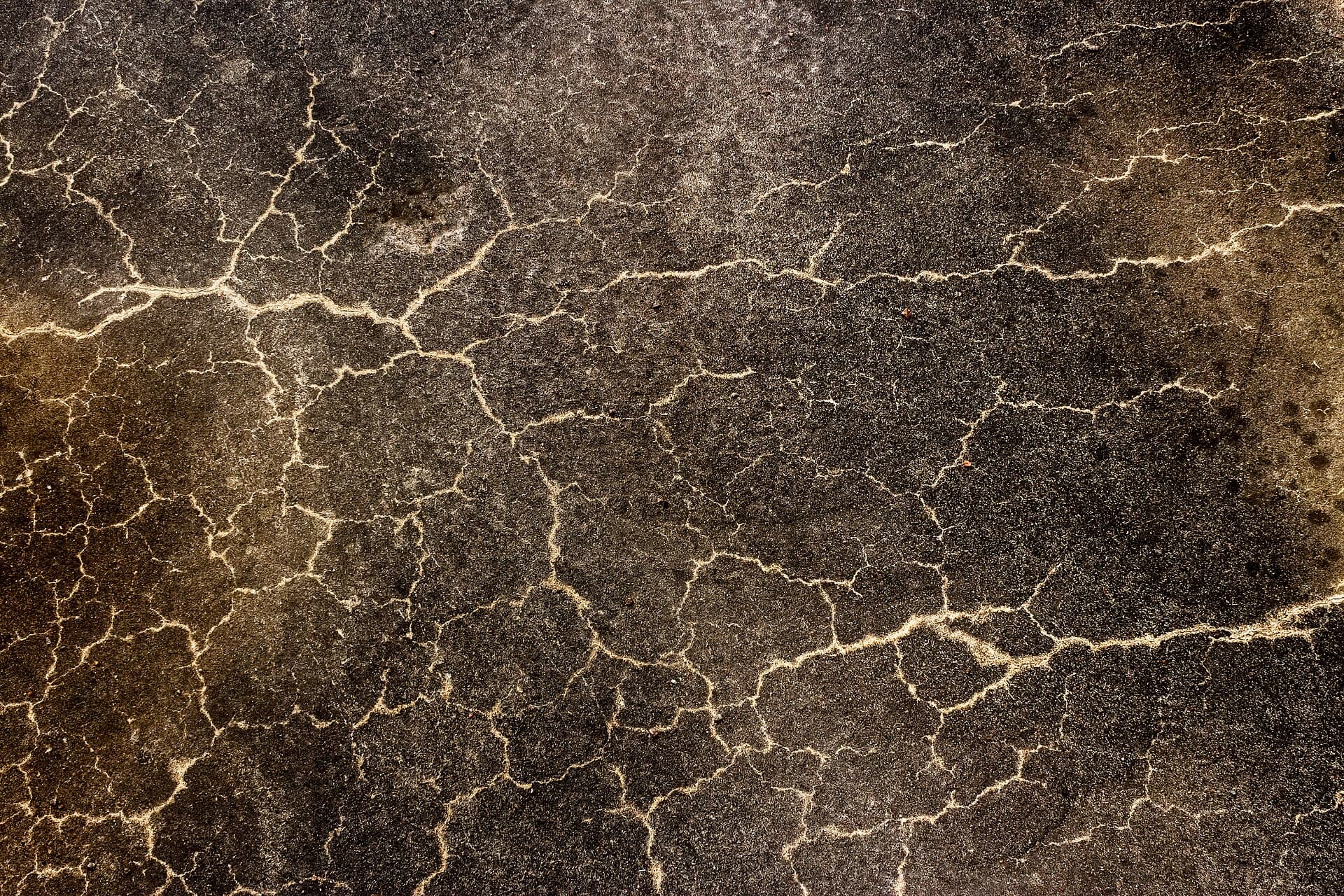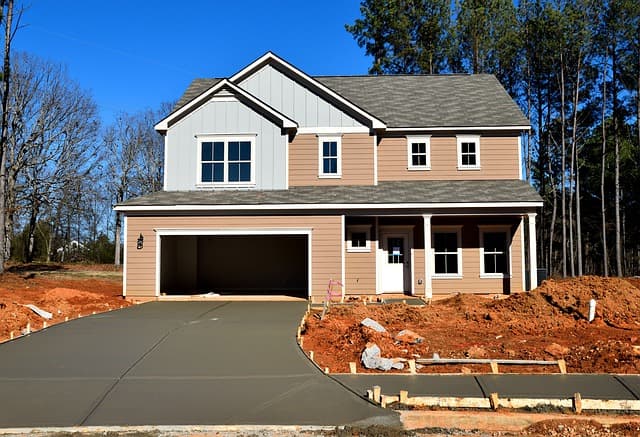
A Newcastle driveway is a public face that happens to hold a car. After twenty or thirty summers it is also a record: oil at the gearbox drip, a map of plastic shrinkage from a January pour, a lip at the joint where the last east-coast low took the shoulder, a crossover that no longer matches the private slab because council replaced the verge and you did not. The question that arrives with the quote is always the same. Can we put something on this, or do we take it out?
Resurfacing is a real trade. It is also the most optimistic sentence in repairs and resurfacing. An overlay, a polymer topping, a thin decorative skin: these can buy a second life on a slab that is still a slab. They cannot invent a base. They cannot straighten a step. They cannot stop clay from moving the house, or rust from jacking a corner that has steel in it. The useful briefing is a diagnosis, then a finish, then a number.
What has to be true of the old slab
It has to be one piece, more or less. Bays may be jointed — they should be — but they should not be independently tilting. Tap the edges. Hollow is a void, and a void is underscour or a compaction story that never ended. Look at the fall. If water already runs to the garage door, a topping will not reverse the world unless you build thickness you probably do not have at the threshold. Look at the cracks with the hairline essay in mind. A shrinkage map can be overlayed if you accept that some lines may telegraph. A stepped structural crack will telegraph, then it will tear the topping.
The surface has to be able to take a bond. Oil, sealer, paint, tyre glaze, crumbling paste: these are reasons to grind, degrease, or walk away. A polymer that is asked to stick to a film-forming sealer from 2018 is being asked to stick to a sacrificial layer. The sacrificial layer will obey.
Thickness matters. A true structural overlay is a different job from a two-to-four millimetre topping. The first can add stiffness if it is designed, dowelled, and thick enough to be more than a skin. The second is a wearing and decorative coat. Most domestic “resurfacing” sold on a Saturday is the second. There is nothing dishonest about a skin if the seller says it is a skin. There is something dishonest about a skin sold as a new driveway.
On the coast, ask whether you are about to trap moisture under an impermeable film. A breathable system on a sound, washed slab can be reasonable. A waterproof lid on a damp coastal slab is a greenhouse for the next failure.
Overlays, toppings, the words people blur
A bonded overlay is new concrete, or a modified mortar, placed on a prepared slab with the intention that the two act together. Preparation is grinding or scabbling, cleaning, sometimes a bonding slurry, sometimes mechanical connectors at edges. The overlay has to be thick enough for its aggregate and its steel, if it has steel. It has to be cured like any other pour, which in a Hunter January means the same early start and the same refusal to bake a skin.
A polymer or cement-polymer topping is thinner, often trowelled or sprayed, sometimes stamped or coloured in the same pass. It lives or dies on preparation and on the honesty of the substrate. It can look like expensive decorative work. It will wear on the wheel path. It will need the sealer conversation as maintenance, not as magic. In this ultraviolet, a glossy film on a topping is a consumable.
A grind-and-seal of the existing slab is not an overlay at all. It is a renovation of the original surface. On a sound broom finish with oil spots, it can be the most honest cheap option: you are not adding a layer that can peel. You are also not hiding the cracks. Some people prefer that honesty. Some people are selling a house next month and do not.
Pavers over a dead slab need a bedding that will not pump and a fall that still works. They are sometimes the right answer when the concrete is ugly but still a base. They are the wrong answer when the slab is a trampoline.
When the base is too far gone
A slab that rocks, a bay that has dropped, an edge you can see daylight under, a crossover that has parted from the private driveway, rusted mesh lifting a ridge, a fall that floods the house: these are demolition sentences, or at least reconstruction sentences. You may still salvage a portion. You do not overlay the bad portion and hope the good portion will adopt it.
Rip-out is a chance to do the groundwork the first pour skipped: compaction, thickness, steel on chairs, a fall that matches the crossover rules. It is also noise, access, and a skip. On a tight terrace the access can cost as much as the concrete. A hybrid is respectable: cut out the failed bays, pour those new, overlay the rest. If the house slab is moving, do not start with the driveway. Read the slabs hub. A beautiful overlay on a tilting apron is a souvenir.
Street character, which is not snobbery
Hamilton, Mayfield, Cooks Hill, the Waratah streets of plain grey broom, the Merewether blocks that already have too many shiny stamps: a driveway is seen from the footpath more than from the kitchen. Matching the street is not a heritage order in most of these places. It is manners, and it is resale. A pale exposed aggregate with a quiet border sits comfortably in a lot of Newcastle streets. A dark, wet-look stamp with a fake tile border sits comfortably in fewer.
Council’s strip is not your mood board. The crossover — the slab between kerb and boundary — is specified, inspected, and occasionally replaced by people who do not care that your private slab is charcoal. If you resurface up to the boundary and leave the crossover as a broken, paler cousin, the job will look unfinished from the street, which is the only view that counts. Sometimes the honest project is to redo the private slab and apply to have the crossover brought up to the current specification. Sometimes you leave the crossover alone and keep the private finish humble enough that the mismatch does not shout.
Decorative work has its own hub. If you are going to stamp or colour, read it, and read the heat and fade essay before you pick a black oxide on a west-facing court. A resurfacing job is a second chance to choose a finish that can live here. Use the chance.
Cost against rip-out, said as journalism
Numbers on this site are journalistic ranges in Australian dollars, not quotes. A straightforward rip-out and replace of a modest single driveway often lands in a band that makes a homeowner sit down, once you include disposal and base work. A thin polymer resurfacing of the same area, on a slab that needs only grinding, can come in at a fraction of that. The fraction is the temptation. Rip-out includes a new base, new steel, a new fall. Resurfacing includes the life of the old fall and the old thickness, and the chance you pay for both — overlay now, rip-out later. A fair comparison is ten-year cost. If they have not tapped the edges, they have not quoted the job.
Planning a driveway from scratch is still the better essay if the slab is a candidate for the skip. Choosing a concreter applies to overlay crews as well. Ask to see a five-year-old job, not a wet one. Overlays look wonderful on day two.
A working order of decisions
Walk the slab after rain. Photograph the ponding. Tap the edges. Measure the steps. Decide whether you are in the overlay family, the hybrid family, or the rip-out family. Only then look at colour charts. If you are overlaying, specify the preparation as a line item: grind, degrease, stitch, prime. If you are ripping out, specify the base, the thickness, the steel, the joints, the fall, and who owns the crossover paperwork. If you are on the coast, add washing and a sealer class that can breathe. If you are on clay, add the honesty that the ground will still move.
Resurfacing is not a lesser art. It is a different one. Done on a sound Newcastle driveway it is how a street keeps its quiet grey rectangles without filling the skip. Done on a hollow, stepped, oil-soaked or salt-sick slab it is how a household buys a second disappointment. The old concrete will tell you which job you are in, if you tap it before you fall in love with the sample board. That tap is the whole skill. The rest is finish, manners, and a number you can still respect in eight years.