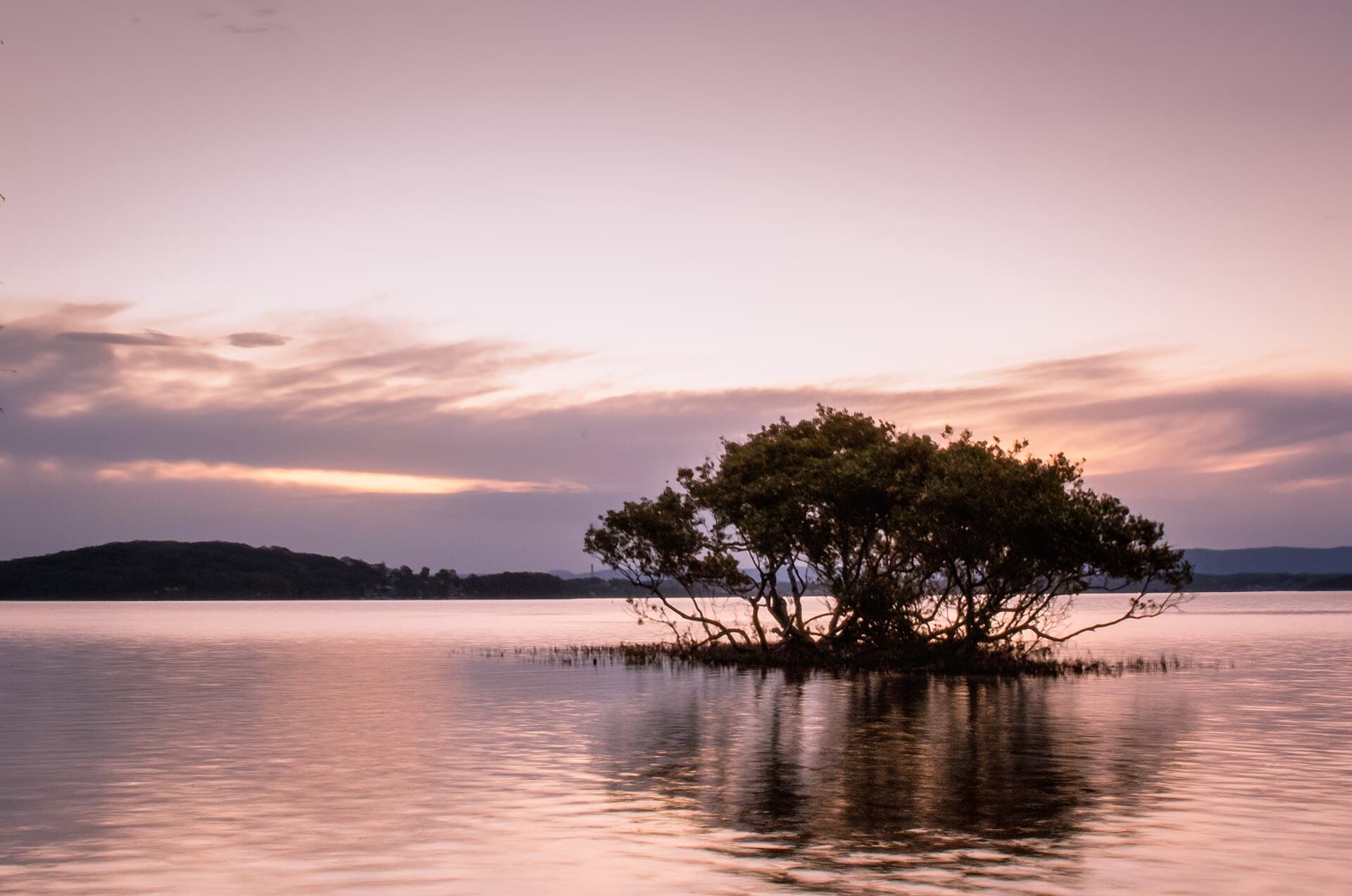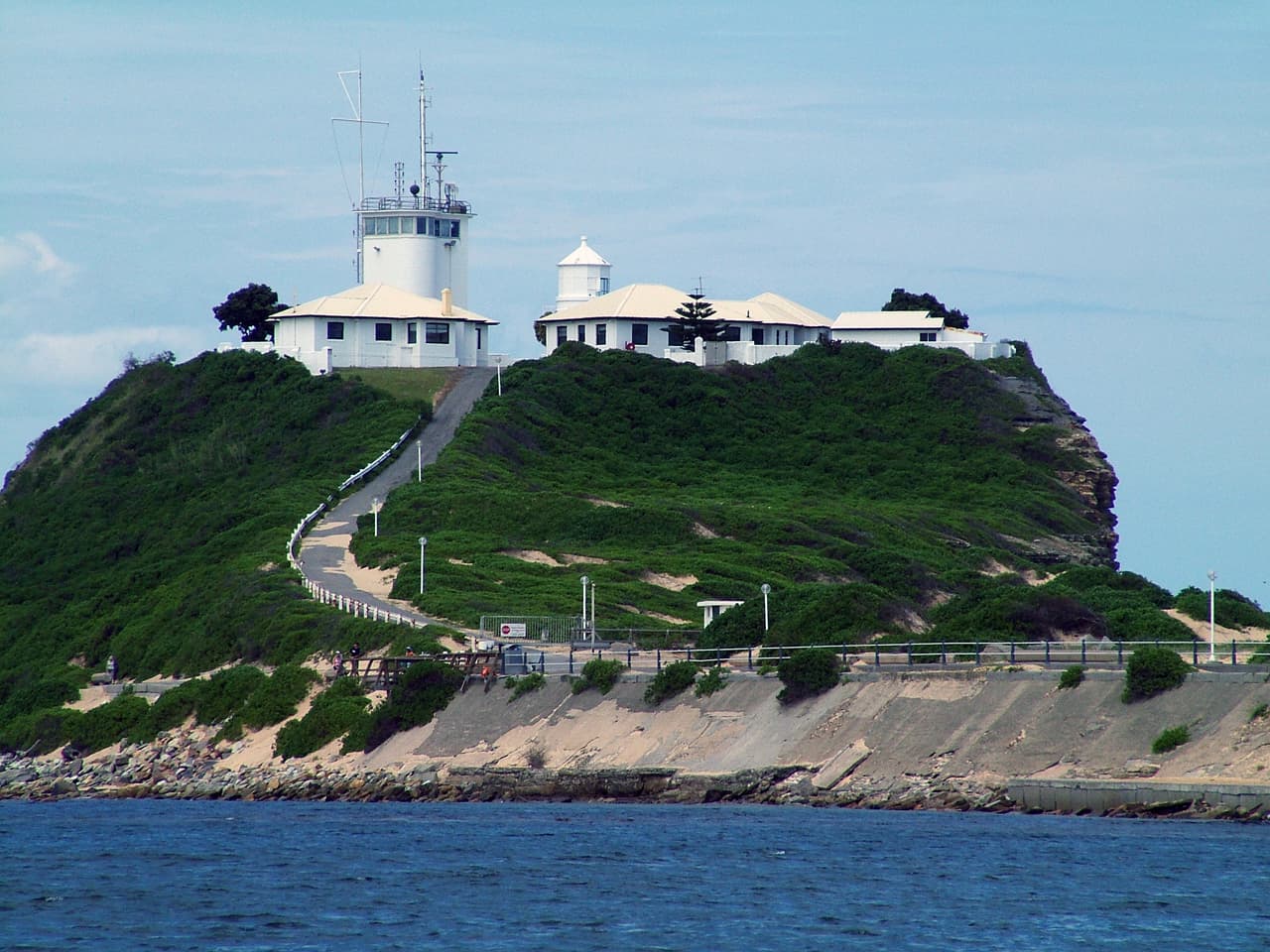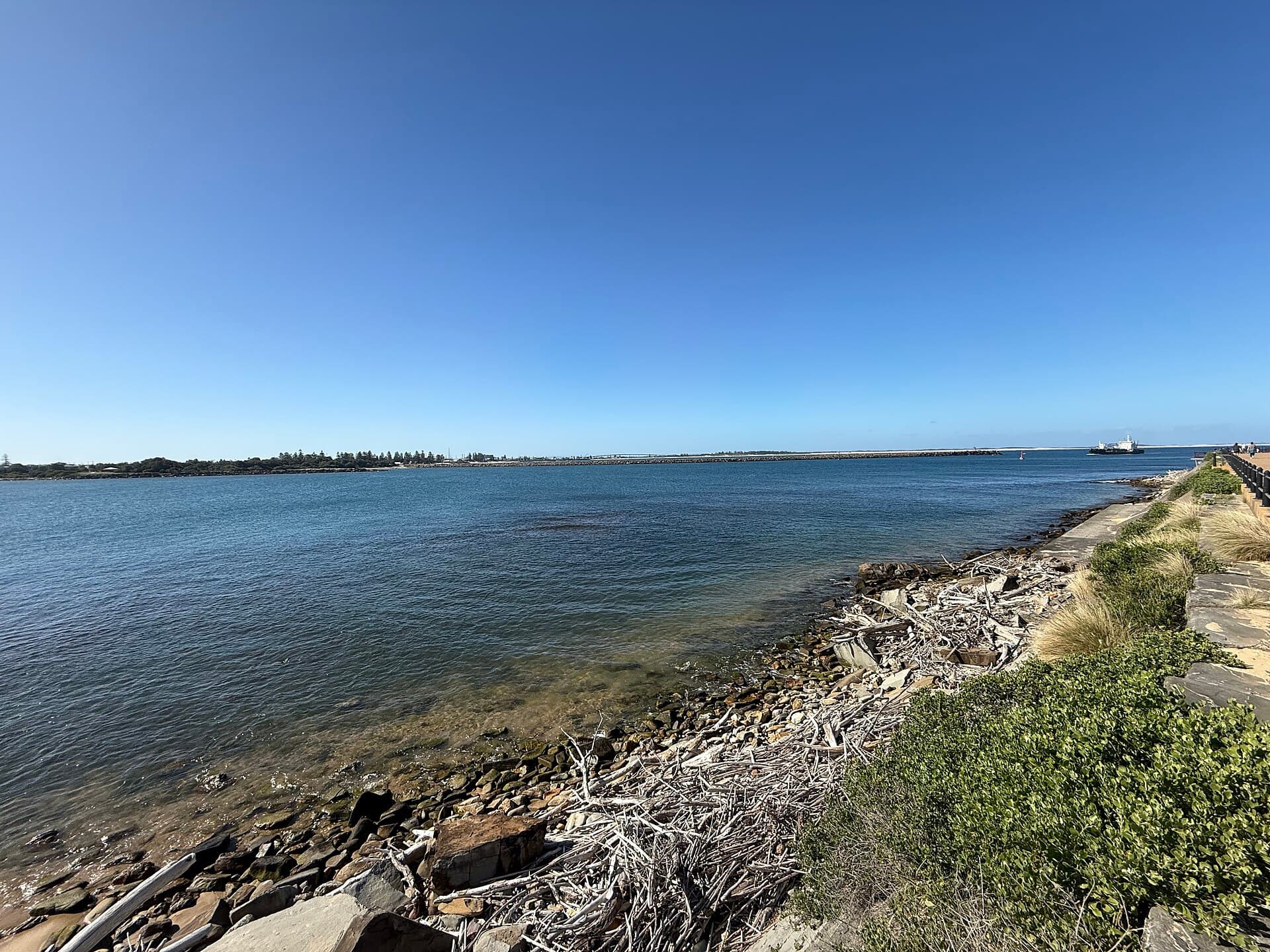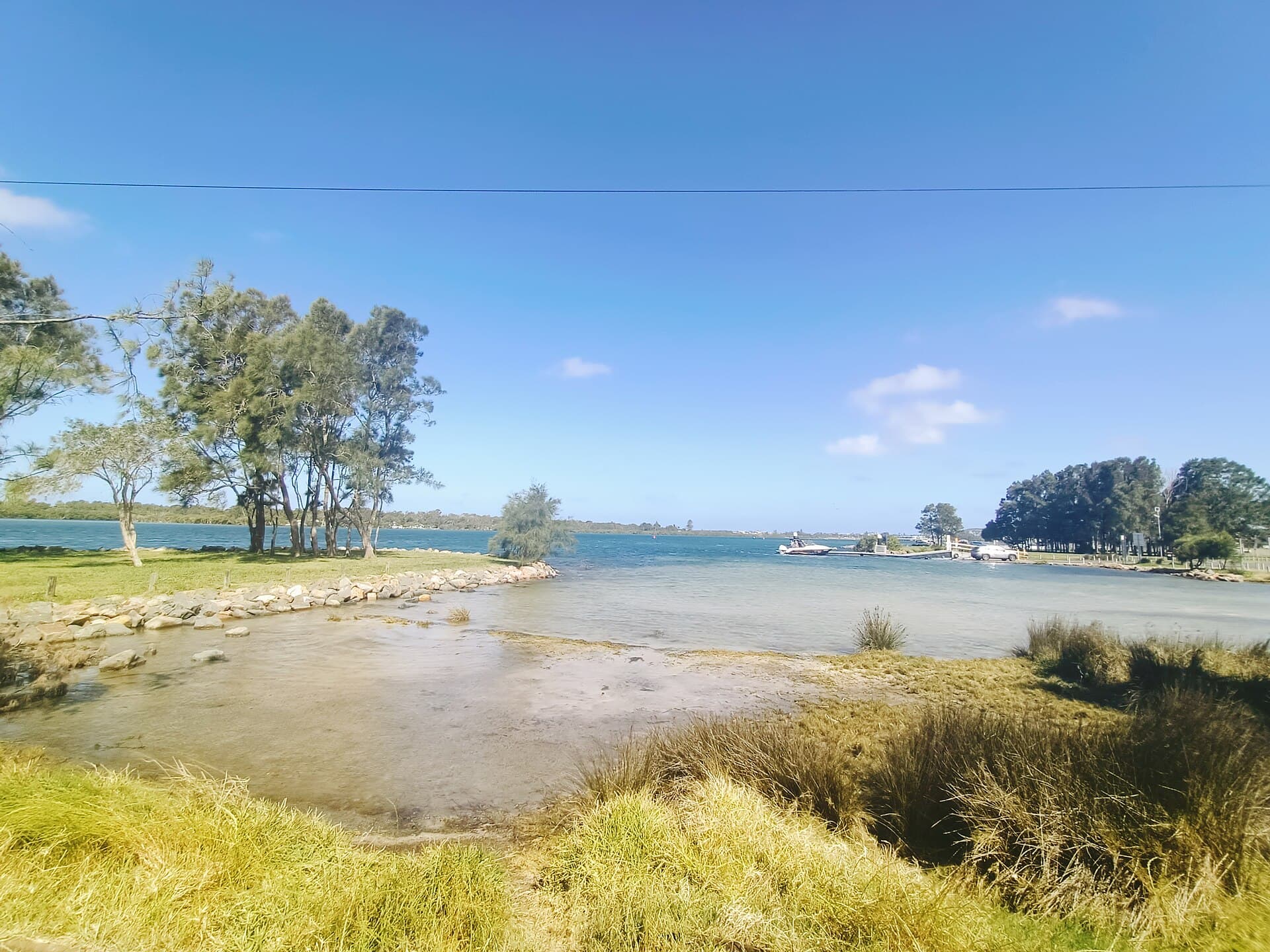
Lake Macquarie is the other water. It does not crash. It sits, it glitters, it raises a humid sky over Belmont and Toronto, and it lets a boat wash put soapy water onto a slab that then drains toward a seagrass bed. People who have just moved from a Merewether balcony sometimes relax here, as if salt were the only climate. They have swapped one exposure for another. The lake is kinder with chlorides and stricter with damp, with acid sulfate in the wrong cut, and with a council that is not Newcastle City.
This essay sits in coastal durability because the lake is still a coast, only sideways. The Pacific is a few dunes away at Swansea. The water you see from the deck is a brackish estuary with a memory of the ocean at the channel and a different chemistry in the western bays. Concrete work on its edges has to know which water it is near, and which office will sign the crossover.
Damp is the exposure, not drama
Ocean salt is an aggressor. Lake air is a sponge. Concrete on a south-facing court under a gum at Carey Bay stays wet after a weather that would have dried a slab in Broadmeadow. Algae and a faint black film are moisture plus shade plus time. The chloride clock is usually slower than at Stockton unless you are in the spray of the channel or you have been washing the boat and letting it stand.
Brackish splash at Swansea Heads is closer to a marine conversation. Further in — Toronto, Coal Point, the western shore — the water keeps the humidity up and the groundwater close. If the block ponds after rain, you are in the stormwater essay as much as this one. East-coast lows do not stop at the Newcastle boundary. Washdown from boats is a local chloride source people forget. Rinse the slab with fresh water the way you rinse the boat. Do not let the drip become a permanent wet patch against a steel column.
Acid sulfate soils, left with the professionals
Parts of the lake edge, the canal estates, the swampy back lots and the low ground toward the ocean entrance sit on soils that, when dug up and allowed to dry, can generate sulfuric acid. The phenomenon is well documented on the New South Wales coast. It is not a backyard science project. It is a reason councils attach overlays and conditions, and a reason a geotechnical report on a lakeside cut can change the week.
Acid can attack the paste. Disturbed spoil can pollute waterways if it is left to leach. None of those sentences is a homeowner with a pH kit. If a report or a council map mentions acid sulfate, the job becomes a professional one: a management plan, soils kept wet or treated as specified, runoff kept out of the stormwater. We do not give you a mixing recipe. We tell you to stop and read the report. The editorial standards exist for this paragraph.
Swansea, Belmont, Toronto: three edges
Swansea lives with the channel. The water moves. The air can carry a marine hint that Toronto does not smell. Houses and ramps sit close to a working passage. Concrete here wants the ocean-adjacent habits — washing, cover, honesty about splash — without pretending it is a Nobbys balcony. The ground can be low and the soils conversation can include the acid sulfate sentence above. A ramp that spends its life wet is a different member from a courtyard that dries. Specify it that way.
Belmont and the eastern shore take the afternoon sun across the water. That is the heat and ultraviolet problem with a prettier view. Glare, hot slabs, oxides that fade, film-forming sealers that chalk: the lake is a mirror you paid for. Decorative courts on this shore should be poured early, cured properly, and coloured with fade in mind. They should also fall away from the house toward a legal discharge, not toward a handmade pipe into the lake.
Toronto and the western bays are often calmer air and heavier shade. Mould on the south side of a garage, a path under pittosporum that never dries: these are the domestic complaints. Cleaning them is why the oil and mould essay belongs on your list before you hire a high-pressure cowboy. The lake is a receiving water. Between these towns sit Warners Bay, Speers Point, Valentine, Rathmines: ask what the water does in a high lake, what the ground does when you cut it, and which council owns the verge.
Two councils, two sets of paper
Lake Macquarie City Council is not the City of Newcastle. That sentence has wasted more weekends than a late truck. Driveway widths, crossover profiles, the way a grate is accepted at the kerb, flood planning levels, the overlays that mention acid sulfate or biodiversity: they are published by different offices and they change on different calendars. A drawing that was stamped for a house in Hamilton does not travel to a house in Belmont by changing the title block.
If you are planning a driveway, use that essay for the method — fall, thickness, the habit of thinking about the verge as public — and then read the Lake Macquarie specifications for the numbers. The crossover rules piece is written from a Newcastle local-government-area vantage. Treat it as a cousin, not as a stamp. Lake Macquarie’s own driveway and footpath documents, and the development controls that sit over a particular lot, are the ones that can refuse the pour.
Flood planning is not a footnote. A slab level that seemed a matter of taste can be a condition of consent. Filling a low lot can change the soils story and the neighbour’s overland flow. Strata schemes add a third paper: a hardstand shared by six owners is not the place to trial a cheap sealer that peels into the lake.
Boats, washdown and the receiving water
A boat is a chloride and hydrocarbon machine. Antifoul, fuel, fish bin, the detergent that claims to be biodegradable and still should not be hosed into a stormwater pit: the lake has seen them all. Concrete that lives with a trailer wants a fall to a point you control, not to the street and not through the lawn into the foreshore. If you degrease, read the cleaning essay and keep the residue in a tub, not in the gutter. The harbour and the lake are why this journal cares about runoff. It is not an aesthetic.
Fresh-water rinsing after a day on the channel is good for the boat and the slab. Leaving the rinse to pond against a steel post invents a small marine exposure. Dry the slab. Jetties and ramps are marine structures even when the water is “only the lake”. This page will not design a jetty. A DIY apron that creeps toward the waterline is how people meet Fisheries, council and a crumbling edge in the same season.
How to brief a lakeside pour
Start with the lot, not the finish. Where is the flood layer? Is there an acid sulfate or wetland overlay? Which way does a high lake and a high rain event actually run? Who owns the verge — Lake Macquarie City, a community title, a neighbour who thinks the camellias are a planning instrument? Then pick the slab type with the soils essay in one hand, because clay does not stop at the Newcastle border and sandy fill on an old foreshore is its own adventure.
Then pick the hour, because January glare on this water is a finishing problem. Then pick the sealer, if you need one, from the sealing conversation, not from a brochure that was photographed in a climate without ultraviolet. Then decide how you will wash the boat.
The lake is a gentler ocean and a wetter suburb. It will not rust a balcony as fast as Stockton will. It will grow a film on a shady path, it will test a crossover in a flood, and it will remember every litre of dirty water you thought was “only soapy”. Pour for that climate, deal with the council that actually governs the lot, and leave the acid sulfate to the people whose stamp means they have read the report. That is lakeside work: less drama than the surf, more paperwork than a dry ridge in New Lambton, and still, at four o’clock, a slab that is trying to dry in a sky full of water.